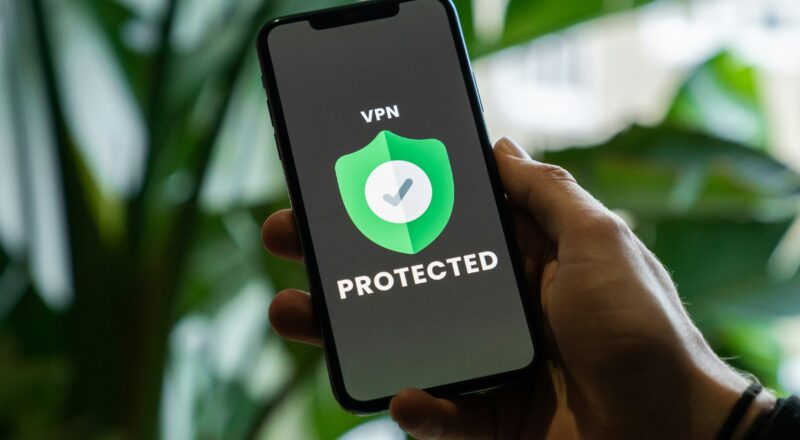
The Internet is now an integral part of everyday life. Many use the Internet (for e-mail, video streaming, shopping) on a daily basis and may spend several hours per day using the Internet. Most users are unaware of the fact that their Internet usage can be viewed and monitored by their Internet Service Provider (ISP), hackers, and/or other third party entities. The most effective way to protect one’s privacy while protecting against unauthorized access to the Internet is by utilizing a VPN (Virtual Private Network).
In this article, we will explore what a VPN is, how it works, and why it has become an important tool for protecting online activity.
Understanding How a VPN Works
A virtual private network (VPN) creates a secure and encrypted tunnel between you and a VPN service provider’s servers on the internet. Your internet traffic is routed from your computer/device through the VPN service provider’s secure server(s) before reaching websites and/or services.
Encryption occurs as your data passes through the VPN. The encryption process converts readable data to encoded data so that unauthorized users are unable to read/access the data.
The second key feature of VPN’s is IP Address Masking. Each device connected to the Internet is assigned an IP Address which may identify your general geographic location and/or specific network details. With the use of a VPN, your actual IP Address is masked with the VPN server’s IP Address. Therefore, when you visit websites and/or use services they will be able to view the IP Address of the VPN server instead of your actual IP Address.
Key Reasons to Use a VPN
There are several reasons why individuals and businesses choose to use VPN services. The most common motivations are related to privacy, security, and access to online content.
Online Privacy
VPN’s are primarily used as a means to increase your private information. Because when you do not have a VPN, Internet Service Providers (ISPs) and other organizations can see the websites that you browse to, or what services you are using. With a VPN, your data is encrypted, and therefore, makes it difficult for third-party monitors to track the activity you are performing on the web.
A VPN will mask your real IP address in order to make it difficult for website owners and advertisers to identify your location, or for them to track how you are surfing the web.
Improved Security on Public Networks
Although public Wi-Fi is easily available at many locations (e.g., airport, hotel, café), they rarely have robust security measures that protect users from being hacked. Some hackers use public Wi-Fi to capture sensitive information (e.g., password, private data) from unsuspecting users.
In addition to protecting against hacking into your device, using a VPN will encrypt all data you transmit on the network. The intercepted information can be decrypted, but it is extremely difficult.
Access to Region-Restricted Content
In certain circumstances, web sites or other online services have limitations on accessing them geographically, as many streaming service providers, news outlets, or other digital services are restricted to only providing their services within a particular country. A VPN can assist in bypassing the geographical restrictions of those web sites or online services by connecting the user via a server located in an area (region) where they could normally view the site’s content. As the traffic is routed through the server, it appears as if the traffic originated at the server’s location and the user may be able to access content which was previously inaccessible to them due to geo-restrictions.
Choosing the Right VPN Service
With many VPN providers available today, selecting the right service requires careful consideration. Not all VPNs offer the same level of privacy, performance, or security.
No-Logs Policy
VPN providers that respect user privacy will always have a “no logs” policy in place. This simply means they are never logging your surfing history or any details about your connections. The best way to protect your privacy is to choose a VPN service with clear and transparent privacy policies so you know they are not storing any of your personal identifiable information.
Security Features
Strong encryption is essential for protecting your data. Many high-quality VPN services use advanced encryption standards to secure internet traffic. Additional features such as kill switches, DNS leak protection, and malware blocking can further improve online safety.
Connection Speed
VPNs will occasionally decrease your connection speed because they have to reroute your traffic through encryption. But Premium VPN services have a focus on fast servers and fast infrastructure that is optimized to get you connected as quickly as possible and keep you up with a reliable connection.
Server Availability
Having a lot of servers around the world increases your ability to connect to a server location of your choice. With many more servers available to you, it should be easier to find one that performs well, regardless of where you are physically located.
Additional VPN Features
Several of the VPN service providers that offer additional functionality in order to make it easier to use their VPN service.
Some VPN providers permit a user to have numerous devices connected at the same time with just one user name, thereby allowing a user to secure their computer(s), tablet(s) and/or smartphone(s).
A few VPN services (e.g., Private Internet Access) offer “split-tunneling”, this allows the user to select which application will be routed through the VPN (thereby using the VPN’s IP address) and which will bypass the VPN (therefore utilizing the user’s original IP address).
Additionally, some VPNs are optimized for certain uses like: file sharing, streaming, and/or gaming by providing the user access to servers specifically optimized for those uses and therefore should provide a greater level of performance than general purpose VPNs.
Important Considerations When Using a VPN
Although VPN’s provide numerous privacy and security advantages, VPN’s do not represent an all-encompassing solution to the challenges of staying safe while on-line.
The user must continue to practice good cyber-hygiene (such as updating software, using strong passwords, etc.) and enable two-factor authentication (when available) to protect themselves from potential threats.
In addition, users need to research the reputability of their chosen VPN provider to ensure the company has a positive track record of maintaining its customer’s confidentiality and protecting their rights; this research will help to assure the consumer that they have made a smart decision when it comes to selecting a VPN provider.
It is also worth mentioning that many governments restrict the use of VPN technology; therefore, consumers who plan to travel abroad or access services from other international locations, need to take the time to understand what laws exist which could affect their ability to access VPN’s in the future.
Final Thoughts
VPN use is becoming increasingly important in the area of privacy protection for individuals on-line. VPN’s provide a means by which internet users may secure their internet communications by encrypting information traveling across the internet and masking user’s IP address thereby allowing users to better manage and protect their digital foot print.
While VPN’s do provide many advantages, they are but one method that individuals may take to protect themselves on the internet. Therefore, when using VPNs, it is recommended that individuals select a reliable provider and also practice safe surfing and security procedures to further enhance their safety and security while surfing on-line.